
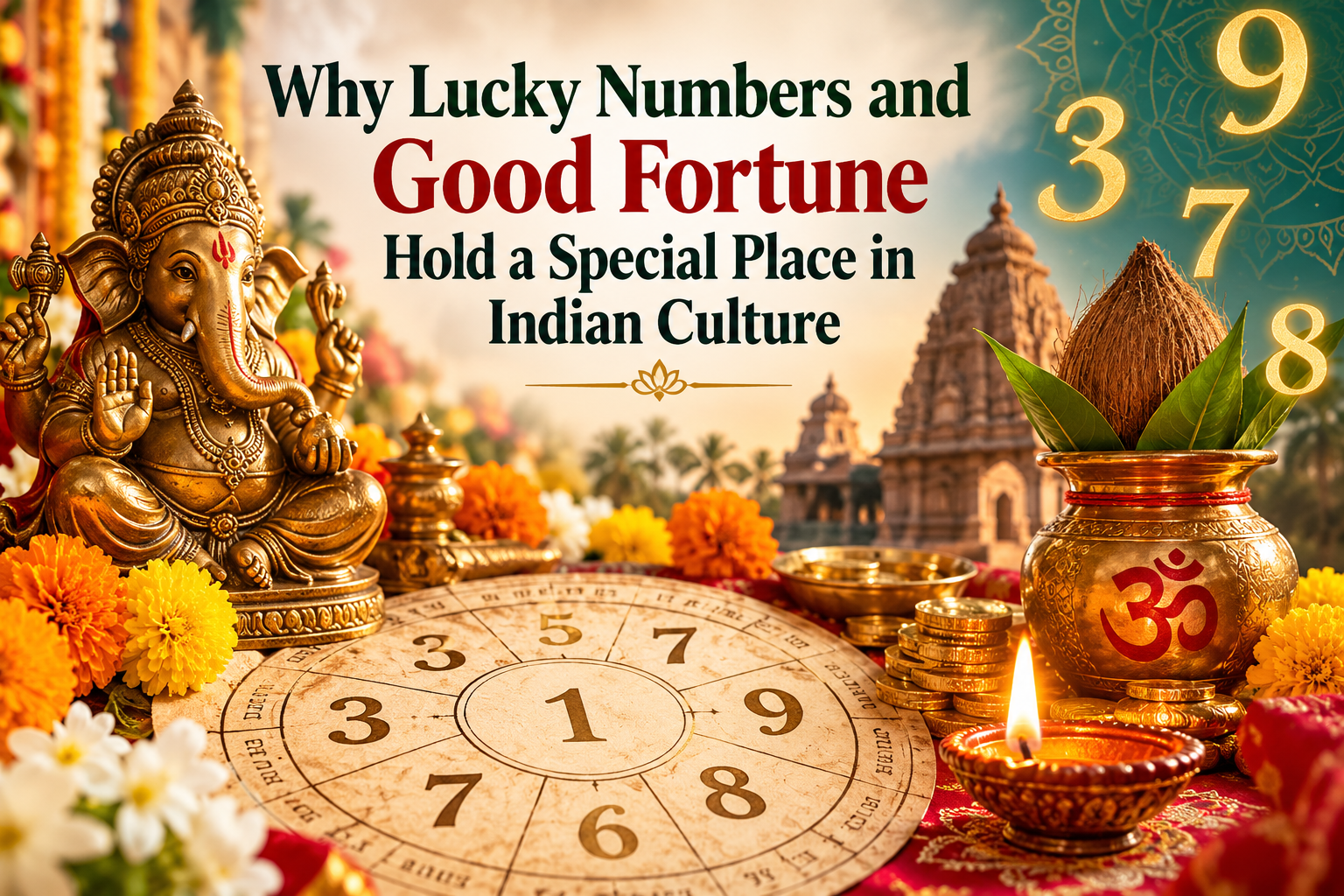
Why Lucky Numbers and Good Fortune Hold a Special Place in Indian Culture
In India, good fortune is more than a wish. It is woven into everyday traditions, family celebrations, and meaningful moments shared across generations. From choosing an auspicious wedding date to exchanging blessings during festivals, the idea of welcoming positivity has a special place in Indian culture.
Numbers, colors, symbols, and rituals often carry meanings that extend beyond their practical purpose. While customs differ between regions, communities, and families, many share a common theme: the hope for happiness, prosperity, and a promising future.
Understanding these traditions offers a fascinating glimpse into how cultural beliefs shape celebrations, personal choices, and even modern entertainment.
The Meaning Behind Lucky Numbers in India
Numbers have long held symbolic significance in various Indian traditions. Some are associated with spiritual teachings, while others appear frequently in religious ceremonies, festivals, and family customs.
The number seven, for example, holds particular importance in many Hindu wedding traditions. During the Saptapadi ceremony, couples take seven steps together, traditionally representing commitments associated with married life.
The number nine also appears in cultural and religious celebrations, particularly during Navratri, a festival dedicated to different forms of the goddess Durga.
These symbolic associations extend into entertainment, where numbers and ideas of chance often become part of games and storytelling. Traditional Indian card games such as Teen Patti and Andar Bahar have also influenced discussions about casino games in India, including their digital adaptations. However, symbolic numbers do not improve the odds of winning, and real-money gambling is subject to legal restrictions that vary across Indian jurisdictions.
For many families, the cultural importance of a number lies in the memories, beliefs, and traditions connected to it rather than any measurable influence over future events.
Why Auspicious Dates Matter During Celebrations
Choosing a meaningful date is an important part of many Indian celebrations.
Weddings, housewarming ceremonies, and certain religious events may be scheduled according to an auspicious time, commonly known as a muhurat.
Families who follow this tradition may consult religious calendars or knowledgeable elders before finalizing important occasions.
The practice reflects the desire to begin a new chapter with positive intentions.
For weddings, the chosen date can become part of the couple’s family story, remembered alongside the blessings, rituals, and celebrations surrounding their marriage.
Not every family follows the same customs, and modern schedules often require balancing tradition with practical considerations.
Still, the underlying sentiment remains meaningful: important beginnings deserve care, thought, and hope.
Festivals That Celebrate Prosperity and Happiness
Indian festivals frequently bring together themes of gratitude, renewal, and good fortune.
Diwali is among the most recognizable examples. Many families clean and decorate their homes, light diyas, exchange sweets, and offer prayers associated with prosperity and well-being.
The festival also provides an opportunity to reconnect with relatives, neighbors, and friends.
During Diwali, decorative rangoli patterns often appear near entrances, adding color and symbolic warmth to celebrations.
These designs may incorporate flowers, geometric shapes, and traditional motifs.
The Smithsonian’s National Museum of Asian Art highlights the cultural and artistic traditions associated with Diwali, reflecting the festival’s importance across communities.
Although celebrations vary, the shared emphasis on light, generosity, and togetherness makes the occasion especially meaningful.
Lucky Symbols in Everyday Life
Good fortune is also represented through objects and decorative traditions.
The lotus, for example, appears throughout Indian art and religious imagery, often symbolizing purity, beauty, and spiritual growth.
Elephants are another familiar motif, particularly in artistic representations associated with wisdom, strength, and auspicious beginnings.
During celebrations, families may exchange gifts featuring these symbols or incorporate them into home decorations.
Colors carry meaning as well. Red is frequently associated with weddings and celebration, while gold is commonly connected with prosperity and festive elegance.
These associations are not universal, but they demonstrate how visual traditions communicate emotions and cultural values.
A thoughtful gift featuring a meaningful symbol can therefore express more than admiration. It may also communicate a heartfelt wish for the recipient’s happiness.
The Importance of Blessings From Family and Elders
One of the most enduring aspects of Indian celebrations is the tradition of seeking blessings from parents, grandparents, and respected elders.
At weddings and other important occasions, younger family members may express respect through gestures such as touching an elder’s feet.
In return, elders offer words of encouragement, prayers, or wishes for a fulfilling life.
These exchanges reinforce relationships between generations.
A blessing does not need to be elaborate to carry emotional significance. Simple wishes for health, peace, happiness, and success can become cherished memories.
In many households, these personal moments are just as important as the larger celebration.
Bringing Traditional Good Wishes Into Modern Life
As lifestyles evolve, expressions of good fortune continue to adapt.
Families separated by distance may share festival greetings through video calls, send digital blessing cards, or organize celebrations across different time zones.
Traditional symbols also appear in contemporary jewelry, home accessories, clothing, and personalized gifts.
What makes these gestures meaningful is not necessarily their form but the intention behind them.
A handwritten message, a carefully chosen present, or a simple phone call can communicate the same warmth as a traditional blessing.
Good Fortune Is Also About the People Around Us
Lucky numbers and auspicious symbols remain fascinating parts of India’s cultural heritage, but their deepest significance often comes from the relationships and memories they represent.
Whether families are celebrating Diwali, planning a wedding, or welcoming a new beginning, the desire to share happiness connects many traditions.
Ultimately, good fortune is not only about what the future might bring. It is also about appreciating loved ones, honoring meaningful customs, and creating moments worth remembering.